

What Is Reading Fluency and Why Does It Matter?
Accuracy, pace, and phrasing. What fluency is, and why speed alone is not it.
Pedagogically reviewedGrades 1–9 · 7 days free

25+ YEARS OF READING-FLUENCY EXPERTISE
*Based on participant data from the Echo Reading method behind PELE. Individual progress varies with consistent practice.
It’s not about how smart they are or how hard they try. Reading just hasn’t become automatic enough yet, so too much effort still goes into getting through the words.
“She could read the words, but it was slow and exhausting. By the end of a page, she barely remembered the story.”
HOW PELE WORKS
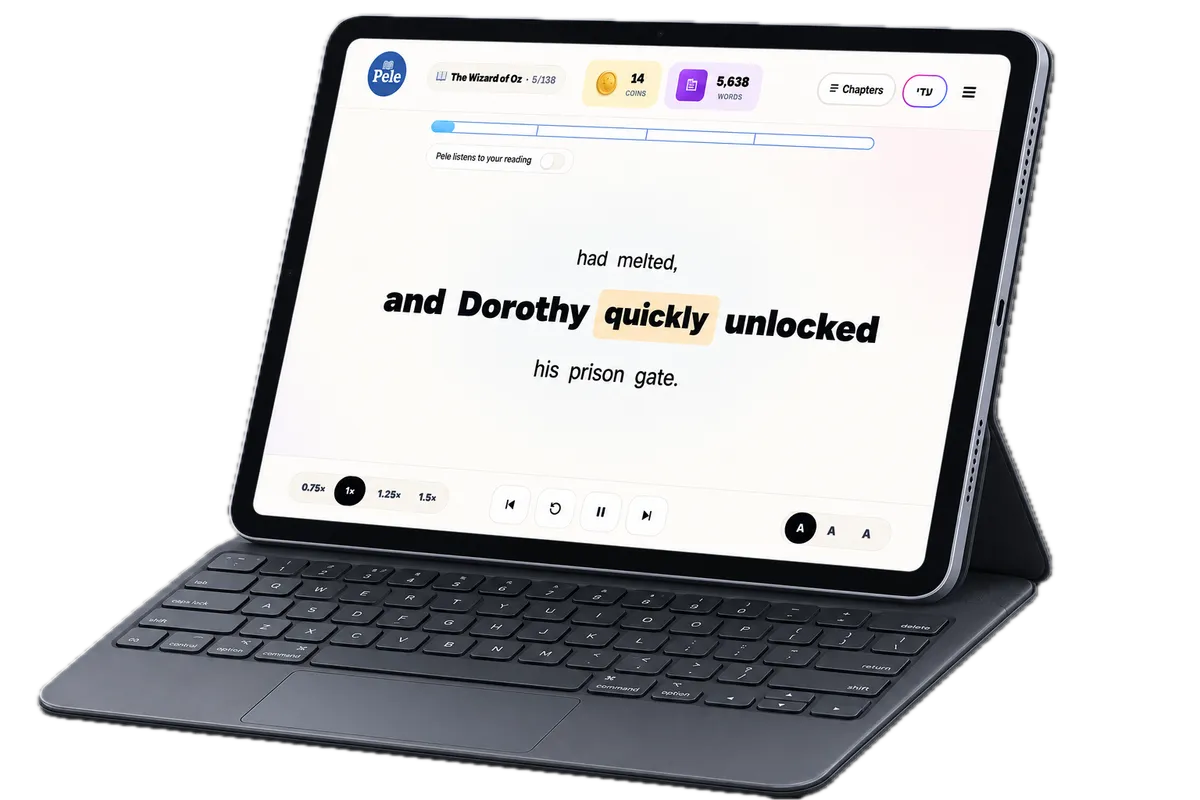
PELE uses Echo Reading. Your child first hears a fluent model, then reads the same text aloud, making practice feel smoother and more supported.
Listen
Hear the sentence read fluently.
Follow
Follow each word as it is highlighted.
Read
Read the same sentence aloud.
Why hear it first?
Hearing a fluent model first helps make the sentence easier to read and understand.
Matched to their age, interests, and reading level.
AdventureAnimalsSportsMysteryScienceFriendship
















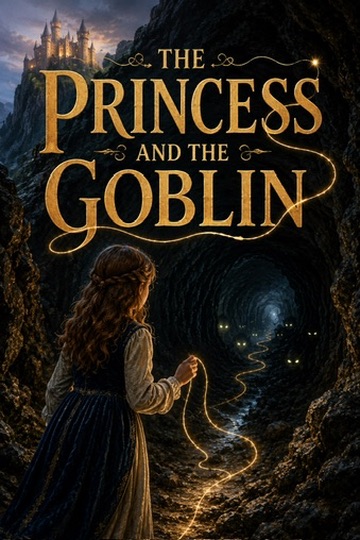





Real reading practice. Not another game or generic digital library.
“Getting him to read used to be the hardest part. Once he found stories he liked, there was much less resistance.”
Takes about 2 minutes · No credit card required
BUILT FOR HOME
You can split the practice across the week in the way that works best for your family.
“I stopped feeling like I had to sit beside her and correct every word. Practice became much calmer for both of us.”
PELE is built on an established reading-fluency approach, now available for guided practice at home.
*Based on participant data from the Echo Reading method behind PELE. Individual progress varies with consistent practice.
PROGRESS YOU CAN MEASURE
PELE starts with a short reading assessment, then tracks progress over time.
Reading rate
Changes in reading pace.
Accuracy
Fewer skipped, guessed, or misread words.
“After a while we could actually hear the difference. He was reading more smoothly and stopping less.”
*Based on participant data from the Echo Reading method behind PELE. Individual progress varies with consistent practice.
Practice with PELE for at least 1 hour a week for 6 months. If your child doesn’t show progress on their follow-up assessment, they can continue at no additional cost until they do.
Practice and assessment requirements apply.
“Reading homework used to end in frustration. Now she’s much more willing to read, and her confidence is coming back.”
Amanda, mom of a 3rd grader
“My son has dyslexia and already gets support at school. PELE gave us a way to practice at home without it feeling like more tutoring.”
Michael, dad of a 6th grader
“We’d already tried reading apps. This was simple enough for us to actually keep doing.”
Jennifer, mom of a 5th grader
See your child’s personalized reading plan.
Takes about 2 minutes · No credit card required
What fluency is, why reading can be slow, and how to practice at home without a fight.
Yes. PELE can support children with dyslexia, especially those who need help building reading fluency.
Its guided reading approach reduces some of the effort involved in reading each word independently and gives children repeated practice with pronunciation, pacing, and phrasing.
PELE is not a diagnostic or therapeutic program, and it does not replace individualized professional support when that is needed.
Echo Reading is a research-based reading approach where a child first listens to a sentence and then reads it aloud. It is an approach we have used extensively and one that has been shown to be highly effective in building reading fluency.
Because hearing the sentence first gives your child a clear model of how the words sound, including pronunciation, rhythm, and phrasing.
This makes the reading feel easier, reduces the effort of decoding each word, and helps your child practice reading more smoothly and confidently.
Fluent reading develops when the brain begins to recognize more and more words automatically, without having to decode each one from scratch. PELE supports this process through broad exposure to words and repeated practice that combines seeing the text, hearing it, and saying it aloud.
Over time, as more words become familiar and easier to recognize, reading becomes faster, smoother, and requires less effort.
You may need to help establish the routine at first. PELE is designed for increasingly independent practice.
We recommend at least one hour of practice per week, split across the week in whatever way works best for you.
PELE measures reading fluency by tracking reading speed and accuracy. Your child completes a short reading assessment to establish a starting point, and the same measures are checked again over time to track progress.
This allows us to see whether your child is reading more words per minute, with fewer errors, and how their fluency is developing over time.
No. PELE is not a phonics program.
PELE focuses on building reading fluency through guided, repeated reading. Children listen to a sentence, follow the text, and then read it aloud themselves with support.
Phonics teaches children how letters and sounds work together to decode words. PELE is designed to complement those foundational skills by helping children read more smoothly, accurately, and confidently.

